Google Ads Quality Score: A Complete Guide

Are you running Google Ads but still getting high CPC and poor results? That usually means that something in your campaign isn’t going as planned. Many companies keep raising their budgets in the hopes of getting better results, but costs keep going up while conversions stay the same.
Your Google Ads Quality Score is often the real problem. It has a big effect on how much you pay and how often your ads show. When it’s low, you pay more for less.
In this guide, you’ll understand what’s affecting your performance, where things go wrong, and how to improve results without increasing spend whether you manage ads yourself or work with a PPC company.
What is Google Ads Quality Score?
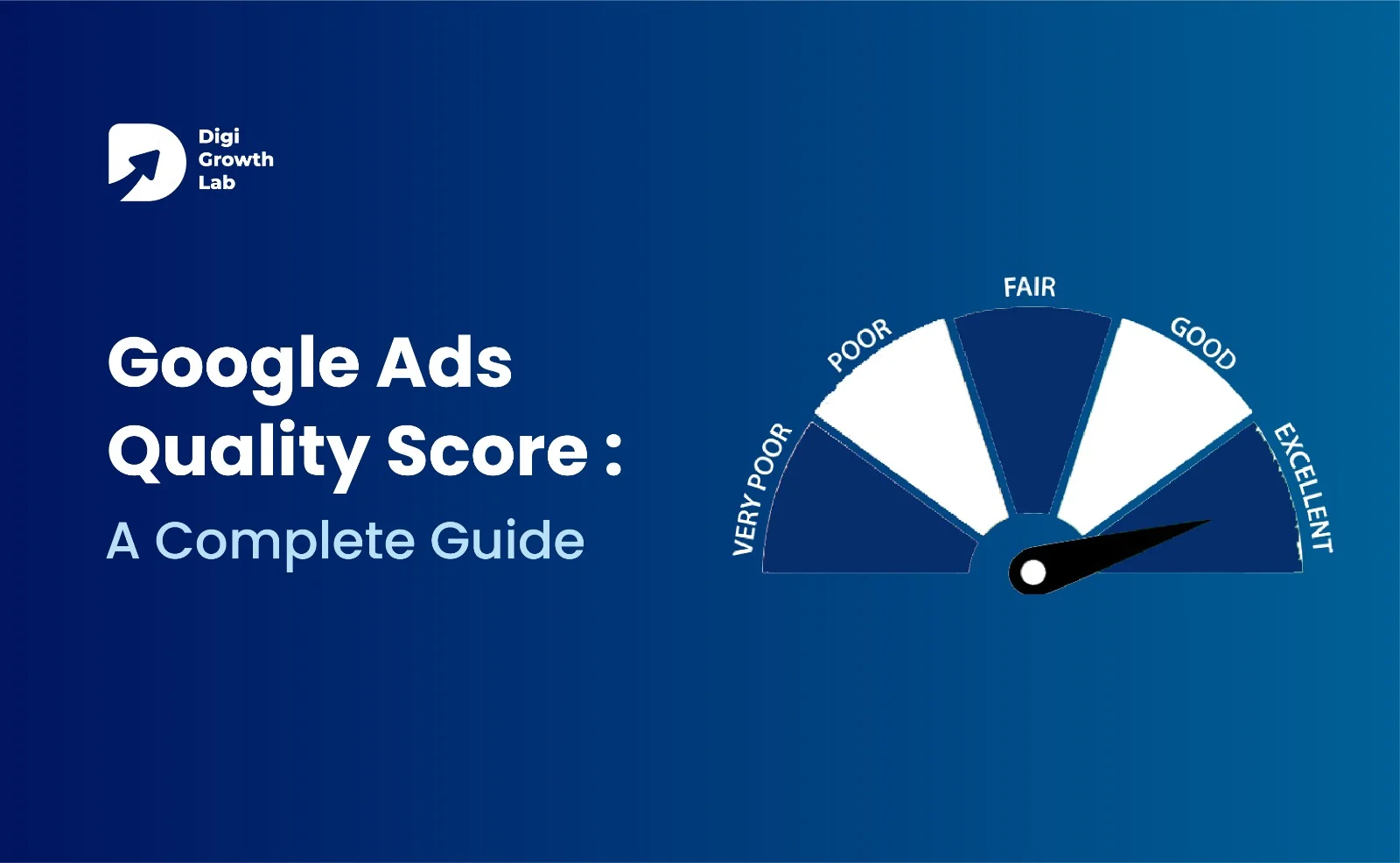
Google Ads Quality Score is a rating from 1 to 10 that shows how relevant and useful your ad, keywords, and landing page are to a user’s search. It’s based on expected click-through rate, ad relevance, and landing page experience—and it directly influences your ad position and cost.
It is mainly used in Search campaigns, where intent and keyword matching matter the most. A higher score means Google sees your ad as helpful, which can lead to better placements at lower costs.
What is a Good Quality Score in Google Ads?
- A score between 7–10 is considered good, meaning your ads are highly relevant and competitive.
- A score of 5–6 is average, where performance is acceptable but can be improved.
- Anything below 5 is a warning sign it usually indicates poor targeting, weak ad copy, or a bad landing page experience.
If your score is low, you’re likely paying more per click than necessary. This is where a strong Google Ads strategy can make a noticeable difference.
How to Check Quality Score in Google Ads
To check your Quality Score:
- Go to your campaign → open the Keywords tab
- Click on Columns → modify columns
- Add: Quality Score, Expected CTR, Ad Relevance, Landing Page Experience
These three metrics tell you exactly where the problem is.
How Does Ad Rank Actually Work in Google Ads?
When someone searches on Google, you’re not just competing on budget you’re competing on value. Ad Rank is what decides whether your ad shows at the top, lower on the page, or not at all.
It’s calculated during every auction using three key things:
- Your bid (how much you’re willing to pay)
- The quality of your ad and landing page
- The expected impact of extensions (like sitelinks, callouts)
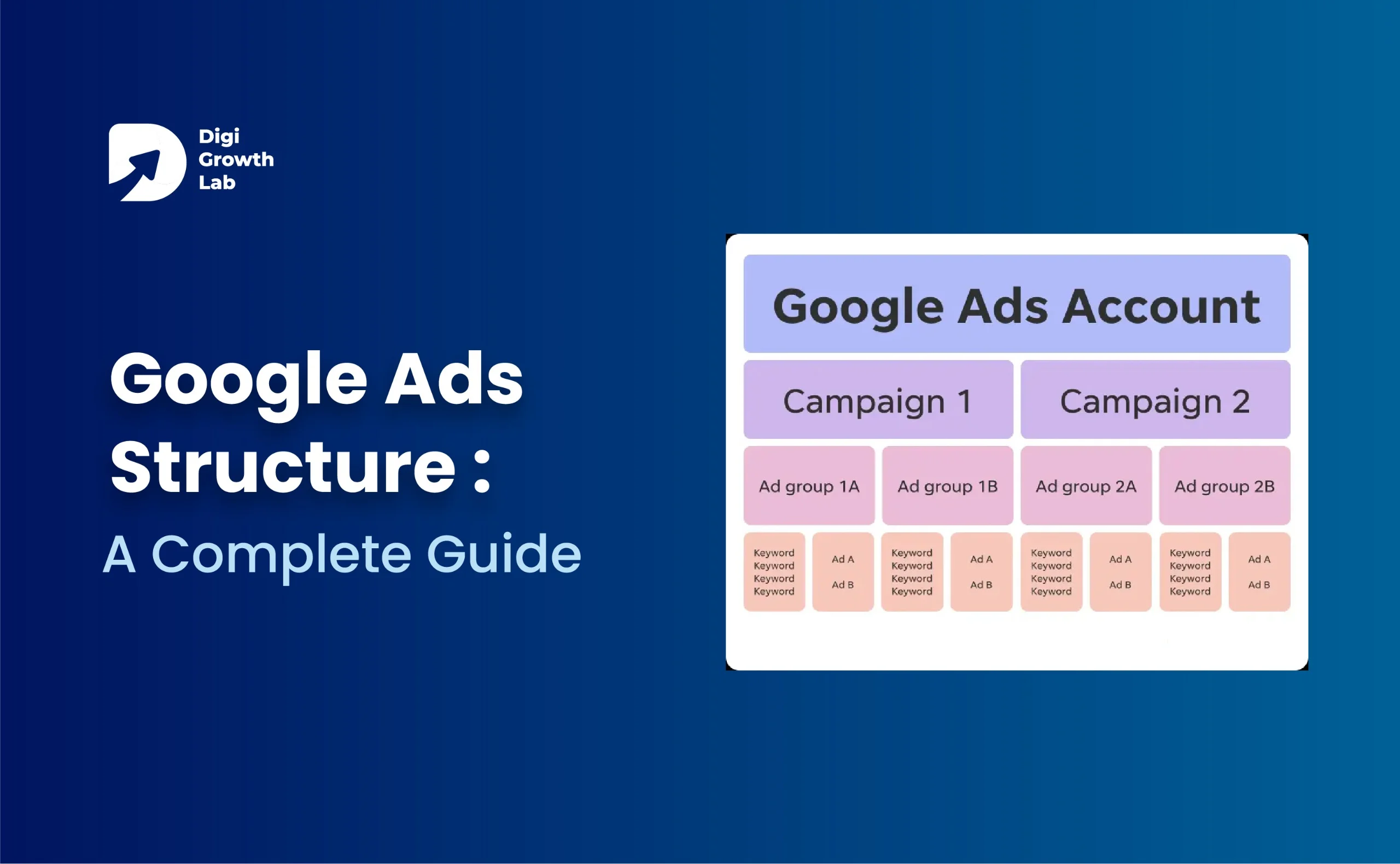
Here’s the part most advertisers miss: Google rewards relevance more than just higher bids. That’s why a well-structured account, something often fixed in a proper Google Ads Structure can outperform competitors spending more money.
Does Quality Score Affect Ad Rank?
Yes, but not the way most people think. You don’t “plug” Quality Score into a formula and get a ranking. Instead, Google evaluates the same signals CTR, relevance, landing page in real time during each search.
So improving Quality Score doesn’t directly change Ad Rank, improving the factors behind it does. That’s why simply chasing a higher score without fixing ad intent or user experience rarely improves results.
Quality Score vs Ad Rank
These two are related, but they serve very different purposes.
|
Factor |
Quality Score | Ad Rank |
|
What it is |
A visible rating (1–10) | Auction-based ranking result |
|
Purpose |
Helps you diagnose issues |
Decides your ad position |
|
When it’s calculated |
Based on historical data |
In real-time during every search |
| What it includes | CTR, relevance, landing page | Bid + real-time signals + extensions |
In simple terms: Quality Score tells you what’s wrong, Ad Rank decides what happens next.
What Factors Influence the Quality Score in Google Ads?
Most advertisers think Quality Score is just a number. In reality, it reflects how closely your ad matches what a user is actually trying to find and how smoothly that journey continues after the click.
Google evaluates three visible factors, but the way they behave in real campaigns is what really matters:
1. Expected CTR (Click-Through Rate)
This is Google’s prediction: “Will people click this ad?”
It’s not only about past clicks it’s about how your ad competes against others for the same keyword. If your headline doesn’t clearly match intent, users skip it.
Example: “Buy Running Shoes” vs “Men’s Running Shoes Under $100”
The second one wins because it feels specific and useful.
2. Ad Relevance
This is where most accounts break down. If your ad group has mixed keywords, your ad becomes broad and Google notices that mismatch.
Clean grouping and message alignment, something often improved during campaign restructuring like in Google Ads Structure, can quickly lift this factor.
3. Landing Page Experience
Clicks don’t matter if users leave immediately.
Google tracks whether users stay, engage, or bounce. A fast page isn’t enough the content must continue the same promise made in the ad.
What Actually Impacts Your Score
- Intent mismatch: Targeting volume instead of intent lowers engagement
- Account history: Consistent performance builds trust over time
- User behavior signals: Mobile usability, time on page, and interaction patterns
This is the real difference between an average campaign and one that consistently lowers CPC while improving results.
How to Calculate Quality Score in Google Ads?
Many blogs try to show a fixed formula for Quality Score. The truth is there is no exact formula you can calculate manually. Google doesn’t assign fixed percentages to each factor.
What actually happens is simpler: Google weighs signals based on how users respond to your ads. From real campaign data, one pattern is clear
- Expected CTR carries the most weight
- Then comes ad relevance
- And finally, landing page experience
If people don’t click your ad, nothing else matters. Even a perfect landing page won’t help if your ad fails to attract attention. This is why improving CTR often leads to the fastest gains in performance.
How Often Does Google Ads Calculate Quality Scores?
Quality Score is updated continuously, but not in the way most people assume.
During every search, Google runs a live auction using real-time signals like user intent, device, and competition. However, the Quality Score you see in your dashboard is a historical snapshot not a live score.
This means your visible score may not reflect what’s happening in the current auction.
How to Improve Google Ads Quality Score
Most accounts don’t have a Quality Score problem, they have a relevance problem. If your keyword, ad, and landing page don’t say the same thing, Google won’t reward you no matter how much you spend.
Here’s what actually works when you fix it the right way:
How to Improve Quality Score for Search Campaign?
Start by cleaning your structure. One ad group = one clear intent.
If you’re targeting:
- “car perfume”
- “best car perfume”
- “long lasting car perfume”
Don’t dump them into one ad group. Split them and write ads that match each intent.
Next, control your traffic:
- Use phrase and exact match to avoid random clicks
- Add negative keywords to filter irrelevant searches
Your ad should feel like a direct answer to the search, not a general promotion. This level of control is often missing in poorly built campaigns, even when businesses explore different Types of Google Ads without fixing the basics.
How to Improve Your Google Ads Quality Score Quickly?
When results are poor, don’t change everything—fix what’s clearly broken:
- Pause keywords with low CTR (under ~2–3%)—they pull your account down
- Rewrite ads using real search terms, not marketing language
- Fix landing pages where users leave within seconds
A simple change like replacing “Best Products Available” with “Buy Long-Lasting Car Perfume From ₹199” can change how users respond.
Quick wins come from clarity, not creativity.
How Do You Fix a Low-Quality Score in Google Ads?
Open your keyword-level data and look at the three ratings. They already tell you what’s wrong, you just need to act on it.
- If CTR is low → your ad isn’t convincing
- If relevance is low → your structure is weak
- If landing page is low → your promise breaks after the click
Don’t guess. Fix the exact issue shown.
Common Mistakes That Lower Quality Score
- Targeting broad keywords just for volume
- Writing ads that don’t match the search term clearly
- Sending traffic to generic pages instead of specific ones
- Ignoring mobile experience (where most clicks happen)
The difference between a costly campaign and a profitable one is simple: relevance at every step.
How Google Ads Quality Score Affects Your CPCs
Most advertisers think, “If I bid more, I’ll get better results.” In reality, Google often charges less to advertisers who create better experiences. That’s where Quality Score changes the game.
You don’t pay your bid you pay just enough to beat the advertiser below you. And when your Quality Score is higher, that “just enough” becomes much lower.
Let’s take a simple situation:
- Advertiser A → Quality Score 8, Bid ₹50
- Advertiser B → Quality Score 5, Bid ₹70
Even though B is willing to pay more, A can still rank higher—and often ends up paying less per click.
Now look at the impact over time:
If your average CPC is ₹40 and you improve your Quality Score, even a ₹8–₹10 drop per click can save thousands every month at scale.
This is why accounts with poor Quality Score feel expensive, they are expensive. Not because of competition, but because of weak relevance.
Many businesses try different tactics without fixing the root issue. A strong setup often handled through focused ppc management services reduces CPC by improving how well your ads match user intent.
Better relevance → higher Quality Score → lower CPC. That’s how profitable campaigns are built.
How Digi Growth Lab Improves Google Ads Quality Score
Most businesses don’t struggle because of budget they struggle because of poor structure and weak alignment. At Digi Growth Lab, we don’t chase scores, we fix the reasons behind them.
We start with account restructuring. Instead of broad, mixed ad groups, we break campaigns into tightly focused clusters where each keyword, ad, and landing page speaks the same language. This alone often improves ad relevance and CTR within weeks.
Next comes A/B testing. Not random testing but controlled changes in headlines, descriptions, and extensions. We test what users actually respond to, not what “sounds good.”
Then we fix what most advertisers ignore on the landing page. If users click but don’t stay, Quality Score drops. We improve page speed, content clarity, and message match to ensure the experience after the click matches the promise made in the ad.
Real Case Insight
One of our e-commerce clients came to us with:
- Quality Score: 4–5
- Average CPC: ₹38
- Low conversion rate
After restructuring the account and improving landing pages:
- Quality Score improved to 7–8
- CPC dropped by 28%
- Conversions increased by 35% in 60 days
No budget increase. Just better alignment.